How Did Pac Die: The Tragic Death of Tupac Shakur and Its Lasting Impact on Hip-Hop
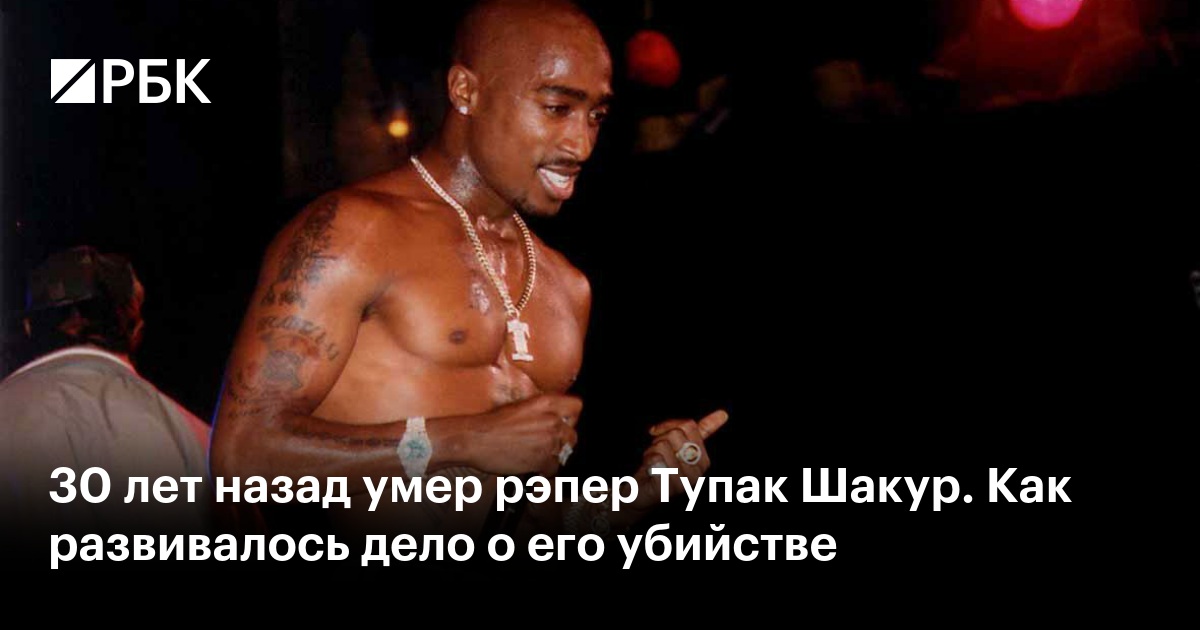
Table of Contents
- The Mysterious Night of Pac’s Death: What Really Happened?
- Theories Surrounding Pac’s Murder: Who Was Really Behind It?
- Pac’s Final Days: Clues Hidden in His Last Words and Music
- Cryptic Lyrics and Symbolism
- The Aftermath: How Pac’s Death Shaped Hip-Hop Forever
- Unanswered Questions: Why Has Pac’s Murder Never Been Solved?
- Could the Truth Ever Come to Light?
- Honoring Pac’s Legacy: What His Life and Death Teach Us
- Final Thoughts: The Mystery Lives On
The Mysterious Night of Pac’s Death: What Really Happened?
On the fateful night of September 7, 1996, the world lost one of its brightest stars when Tupac Shakur, affectionately known as Pac, was fatally shot in a drive-by shooting in Las Vegas. The question of how did Pac die has haunted fans, investigators, and the hip-hop community for decades. Pac, already a legend in the making, was just 25 years old. His death remains one of the most controversial and unsolved mysteries in music history, leaving behind a legacy that continues to resonate across generations.
Pac was inside a black Chevrolet Suburban when gunmen opened fire outside the MGM Grand Hotel and Casino. He was rushed to the University of Nevada Medical Center but was pronounced dead six days later on September 13. The shooting shocked the world, sparking theories, investigations, and endless debates about the true motives behind his murder. To this day, no one has been convicted for his death, making the circumstances even more haunting.
Theories Surrounding Pac’s Murder: Who Was Really Behind It?

The death of Tupac Shakur has been shrouded in conspiracy theories, fueled by his involvement in the infamous East Coast-West Coast feud and his outspoken criticism of powerful figures. Here are some of the most prominent theories about how did Pac die and who might have been responsible:
- The Suge Knight Connection: Pac’s manager, Suge Knight, co-founder of Death Row Records, has long been a suspect. Many believe Suge orchestrated the hit due to Pac’s growing disillusionment with the label and his plans to leave. Suge was later convicted of federal racketeering charges in 2017, but no direct link to Pac’s murder was proven.
- The FBI’s Involvement: Some theories suggest that Pac’s murder was linked to his activism and knowledge of illegal activities within the FBI. Pac had publicly accused the FBI of targeting him and other black leaders, including the Black Panther Party.
- The Mob or Rival Gang Ties: Others speculate that Pac’s death was connected to his past associations with gangs, including the Crips, or even organized crime. His murder bore similarities to gang-related shootings in Las Vegas.
- Internal Label Conflicts: Pac’s growing independence and threats to expose corruption within Death Row Records may have made him a target. His final album, The Don Killuminati: The 7 Day Theory, released just days before his death, included songs like “Hit ‘Em Up”, where he dissed figures like Suge Knight and Biggie Smalls.
Despite multiple investigations, including a 2018 Las Vegas Police Department review, no definitive answers have emerged. The case remains officially unsolved, leaving fans to grapple with unanswered questions.
Pac’s Final Days: Clues Hidden in His Last Words and Music
In the days leading up to his death, Pac dropped significant hints that something was amiss. His final album, The Don Killuminati: The 7 Day Theory, released on September 5, 1996, was filled with cryptic messages. Songs like “Life Goes On” and “Hail Mary” seem almost prophetic, with lyrics that foreshadowed his impending fate.
One of the most chilling moments came during a press conference on September 3, 1996, where Pac was asked about his safety. He responded with a hauntingly calm demeanor, saying,
“I ain’t really scared of dying. It’s just that I ain’t done what I wanted to do yet, and I look at it as a challenge.”
His final public appearance was at a Death Row Records party on September 6, where he performed “I Ain’t Mad at Cha”. Witnesses later claimed he seemed uneasy, as if he knew danger was near. Some believe these moments were subtle warnings or even subconscious premonitions.
Cryptic Lyrics and Symbolism
Pac’s music was always laced with symbolism, and his final album is no exception. Fans and conspiracy theorists have dissected his lyrics for clues:
- “The Don” Persona: Pac adopted the alias Makaveli, inspired by Niccolò Machiavelli, symbolizing his intellectual and strategic mindset. Some interpret this as a warning to those who crossed him.
- “Hit ‘Em Up” Diss Track: The song, released posthumously, is filled with violent imagery and accusations against Suge Knight and The Notorious B.I.G. Lines like “I fucked your wife and I bet she liked it” (often debated as a reference to Suge’s then-wife, Sharon) fueled speculation about internal conflicts.
- “I Wonder If Heaven Got a Ghetto”: This song, released shortly before his death, reflects Pac’s contemplation of mortality and his connection to his roots. The music video, featuring him in a white suit with a halo-like effect, has been interpreted as a premonition of his own death.
While these clues add depth to the mystery, they also highlight Pac’s genius as a storyteller who used his art to communicate even in his final moments.
The Aftermath: How Pac’s Death Shaped Hip-Hop Forever
The death of Tupac Shakur didn’t just leave a void in music—it changed the trajectory of hip-hop itself. Pac was more than a rapper; he was a poet, activist, and cultural icon whose influence extends far beyond the genre. Here’s how his tragic death reshaped the industry:
- The East Coast-West Coast Feud Escalated: Pac’s murder came just months after the death of The Notorious B.I.G., fueling a violent rivalry between the coasts. The feud led to increased tensions, media sensationalism, and a dark period in hip-hop where artists felt compelled to take sides.
- A Wave of Tributes and Memorials: Artists across the globe paid homage to Pac through music, art, and public tributes. Songs like “Always on My Mind” by Ja Rule, “Pac’s Life” by 2Pac himself (posthumous), and “Gone” by Nas became anthems of remembrance. Streets were renamed, murals were painted, and annual memorials, such as the Pac’s Life Day, were established.
- Increased Scrutiny on Gang Violence and Gun Control: Pac’s death brought national attention to gang violence and the lack of justice in cases involving high-profile figures. His murder became a symbol of the broader issues of systemic injustice and police corruption that plagued marginalized communities.
- Legacy as a Revolutionary Figure: Pac’s posthumous albums, including R U Still Down? (Remember Me) and Better Dayz, kept his music relevant. His messages of hope, resilience, and social justice continued to inspire movements like Black Lives Matter. His work with organizations like the Black Panther Party and his advocacy for education and community empowerment cemented his status as a revolutionary.
- The Birth of the “Pac Nation”: Fans worldwide formed tight-knit communities dedicated to preserving his legacy. Online forums, social media groups, and even academic studies emerged to analyze his lyrics, interviews, and impact on culture. The phrase “Pac Nation” became a rallying cry for those who saw him as a martyr.
Decades later, Pac’s influence is still felt in every corner of hip-hop, from artists like Kendrick Lamar and J. Cole to activists using his words to fuel modern movements. His death, though tragic, ensured that his voice would never be silenced.
Unanswered Questions: Why Has Pac’s Murder Never Been Solved?
Despite numerous investigations, arrests, and court cases, the murder of Tupac Shakur remains unsolved. Several factors contribute to this ongoing mystery:
- Lack of Concrete Evidence: The case hinges on circumstantial evidence, witness testimonies that conflict, and a web of alleged connections. No direct evidence, such as a confession or forensic proof, has linked any individual definitively to the crime.
- Political and Legal Obstacles: High-profile cases often face interference from powerful figures. Some speculate that Suge Knight’s influence, along with his eventual conviction on unrelated charges, may have clouded the investigation. Additionally, some witnesses have recanted or refused to testify, citing fear or financial incentives.
- Jurisdictional Challenges: The case involves multiple agencies, including the FBI, Las Vegas Metro Police, and the Nevada State Police. Coordination issues and differing priorities may have hindered progress.
- Public Skepticism and Media Sensationalism: The media’s focus on the East Coast-West Coast feud often overshadowed the search for justice. Some believe the case was treated as a gang-related homicide rather than a targeted assassination, reducing the urgency of the investigation.
- The Passage of Time: Witnesses have passed away, memories have faded, and digital evidence from the 1990s is difficult to retrieve. The cold case status means resources are limited compared to active investigations.
In 2018, the Las Vegas Police Department announced they were reopening the case with new technology and forensic techniques. However, as of now, no arrests have been made. The lack of resolution has led many to believe that the truth may never be fully known—or that it was intentionally buried.
Could the Truth Ever Come to Light?
Some hope that advancements in forensic science, such as DNA analysis and digital reconstruction, could unearth new evidence. Others believe that the key lies in the testimonies of those closest to Pac and Suge Knight. As long as there are unanswered questions about how did Pac die, the mystery will continue to captivate and haunt fans.
Honoring Pac’s Legacy: What His Life and Death Teach Us
Tupac Shakur’s life was a tapestry of talent, struggle, and unyielding passion. His death, though violent and untimely, served as a stark reminder of the fragility of life and the importance of justice. Even in death, Pac’s message endures:
- Art as a Form of Resistance: Pac used his platform to challenge systemic oppression, police brutality, and social inequality. His lyrics continue to inspire activists and artists to use their voices for change.
- The Cost of Fame and Power: Pac’s death highlights the dangers faced by those who rise to prominence in high-stakes industries. His story serves as a cautionary tale about the influence of money, power, and corruption.
- The Power of Community: Despite his tragic end, Pac’s ability to connect with people worldwide created a sense of unity. The Pac Nation remains a testament to how art can bring people together across borders and generations.
- Never Forget the Lessons of History: Pac’s life and death are often studied in the context of the 1990s hip-hop era, but his messages about justice, love, and resilience are timeless. They remind us to question the status quo and strive for a better world.
As we reflect on the question of how did Pac die, we must also honor the man behind the myth. Tupac Shakur was more than a rapper; he was a visionary whose words and music continue to challenge, inspire, and heal. His legacy is a call to action—to seek truth, demand justice, and never stop fighting for what is right.
Final Thoughts: The Mystery Lives On
Decades after his death, the question of how did Pac die remains unanswered, but his impact on culture, music, and society is undeniable. Whether through his music, his activism, or the enduring mystery surrounding his murder, Pac’s spirit lives on in every generation that discovers his art. While we may never know the full truth, we can honor his memory by carrying forward his fight for justice, love, and unity.
Rest in power, Pac. Your voice is eternal.
Leave a Comment
Comments are moderated before appearing. The data you submit is processed according to the Privacy Policy of n8n.unfabled.co.