Samsung One UI 9.0 Update Schedule: Everything You Need to Know in 2024
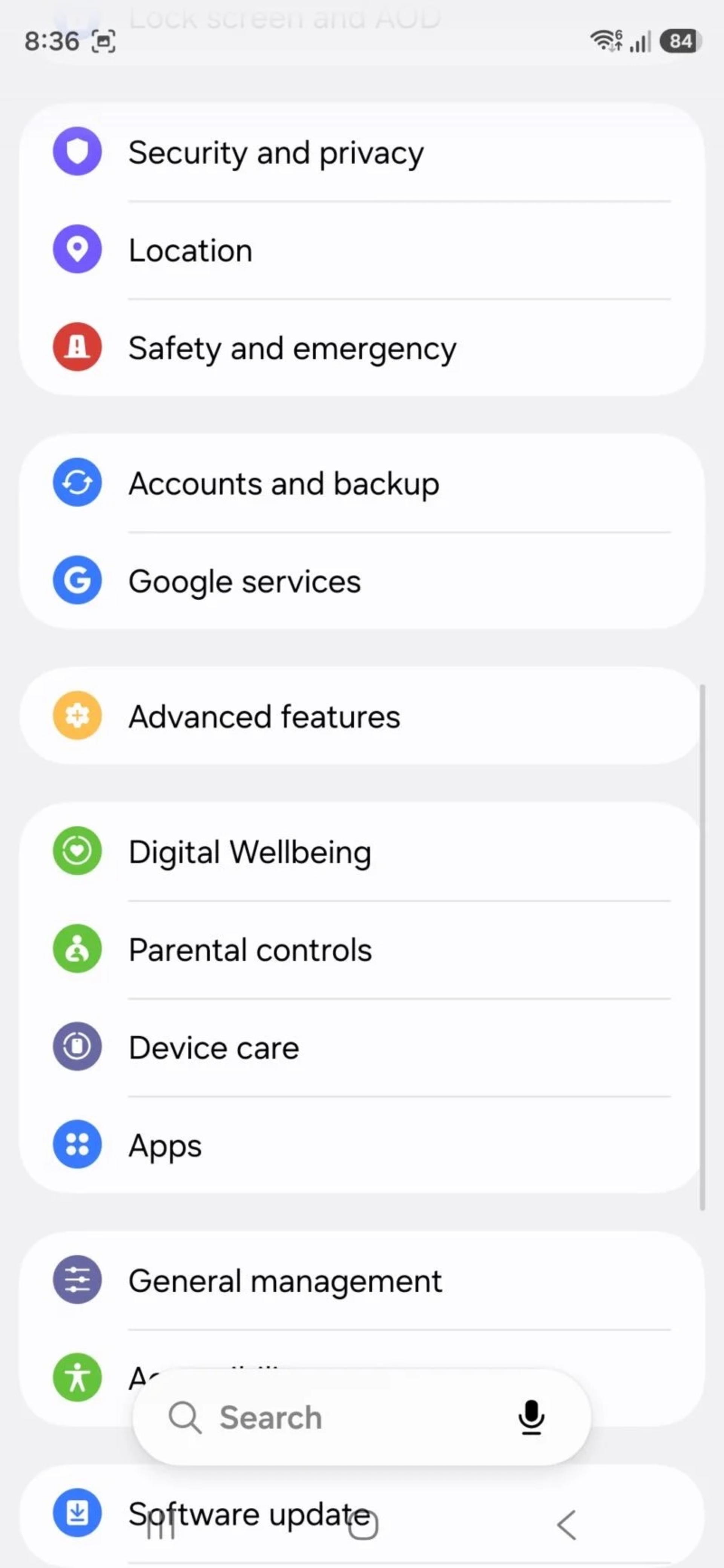
Table of Contents
- Unlocking the Future: What’s New in Samsung One UI 9.0?
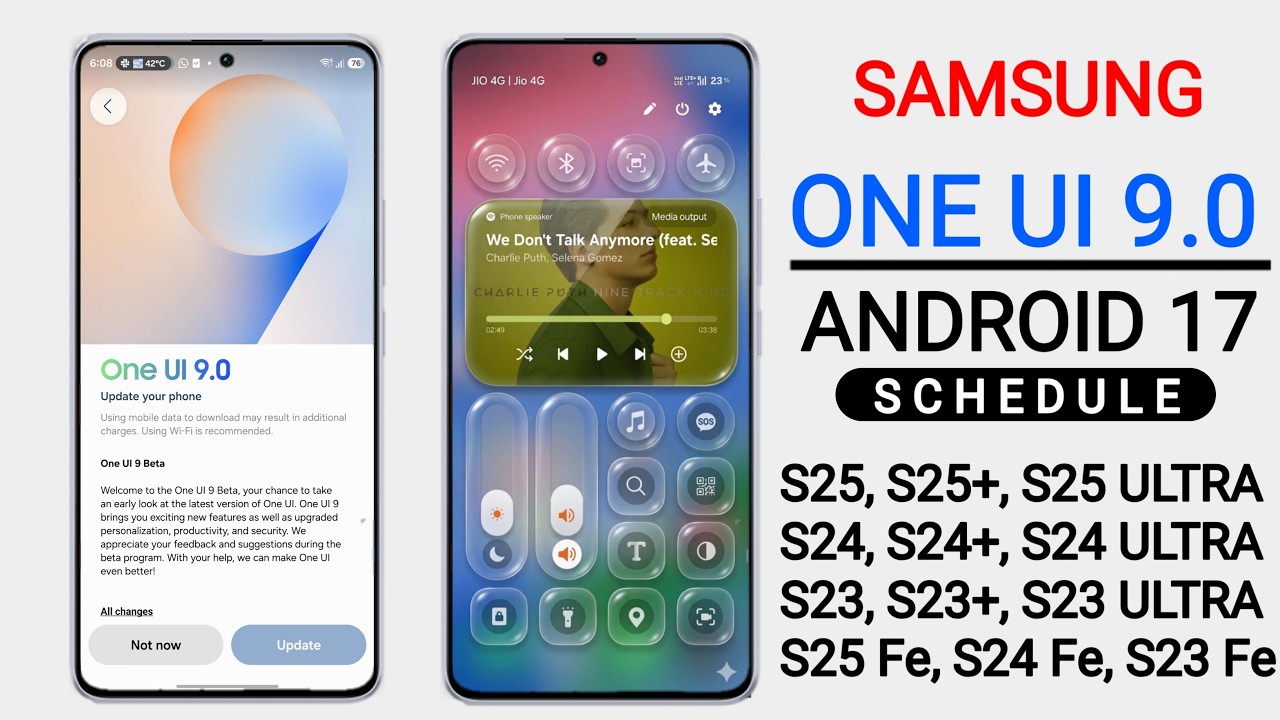
- The Official Samsung One UI 9.0 Update Schedule: Key Release Dates
- How to Check Your Device’s Eligibility for One UI 9.0
- What’s New in One UI 9.0? Key Features to Look Forward To
- Will One UI 9.0 Bring Android 14?
- How to Get One UI 9.0 Faster: Tips and Tricks
- Devices That Might Miss Out on One UI 9.0
- What’s Next After One UI 9.0? Rumors and Future Updates
- Final Thoughts: Is One UI 9.0 Worth the Wait?
Unlocking the Future: What’s New in Samsung One UI 9.0?
Samsung’s One UI 9.0 is more than just an incremental update—it’s a leap forward in blending cutting-edge technology with user-centric design. Packed with AI-driven features, enhanced security, and smoother performance, this update promises to elevate your smartphone experience. But when can you expect it on your device? Let’s dive into the Samsung One UI 9.0 update schedule, what’s changing, and how to ensure your phone gets the latest features without a hitch.
“One UI 9.0 isn’t just an update—it’s a transformation in how you interact with technology.”
Whether you’re a Galaxy S23 user eagerly awaiting the next big thing or an owner of an older model wondering if it’s worth the wait, this guide covers all the bases. We’ll explore the timeline, device compatibility, and even tips to speed up the rollout. Stay tuned—your phone’s next evolution is closer than you think.
The Official Samsung One UI 9.0 Update Schedule: Key Release Dates
Samsung typically rolls out major updates in phases, starting with flagship devices and gradually moving to mid-range and older models. Here’s what we know so far about the One UI 9.0 update schedule:
- Flagship Devices (Galaxy S23 Series, Z Fold/Flip 4, and S22 Series): These devices are usually the first to receive updates. Samsung announced that One UI 9.0 would begin rolling out in mid-2024, with the Galaxy S23 series expected to get it first, likely in June or July 2024. The Z Fold 4 and Z Flip 4 may follow shortly after.
- Mid-Range and Older Flagships (Galaxy A Series, S21 Series, Note 20 Series): These devices typically receive updates 3–6 months after the flagship rollout. For example, if the Galaxy S23 gets One UI 9.0 in June, the Galaxy S21 series might see it by late 2024 or early 2025. The Galaxy A series, including the A54 and A74, could also be in line for an update, though Samsung’s support for these models often extends to two major OS upgrades.
- Budget and Older Models (Galaxy M Series, A13/A14, etc.): Budget devices and older models may not receive One UI 9.0 at all. Samsung’s policy is to provide up to four Android OS updates, but major UI overhauls like One UI 9.0 are usually reserved for devices released in the last 2–3 years. For instance, the Galaxy M34 or M54 might get this update, while older M-series phones may be stuck on One UI 5.0 or earlier.
For real-time updates, always check Samsung’s official support page or your device’s Software Update section in Settings.
How to Check Your Device’s Eligibility for One UI 9.0
Not sure if your phone qualifies? Here’s how to verify:
- Go to Settings > Software Update > Download and Install.
- Check the “Current Software Version” and compare it with Samsung’s latest updates.
- Visit Samsung’s official site and search for your device model to see if One UI 9.0 is listed under “Software Updates.”
If your device isn’t listed, it might not receive One UI 9.0, but you can still enjoy Android 14 (or later) with a standard Android update.
What’s New in One UI 9.0? Key Features to Look Forward To
One UI 9.0 is designed to make your device faster, more intuitive, and packed with AI-powered tools. Here’s a sneak peek at the standout features:
- AI-Powered Assistant Enhancements: Samsung’s AI assistant will get smarter with improved natural language processing, allowing for more seamless voice commands and context-aware suggestions.
- Dynamic Island Support: Inspired by Apple’s iOS, One UI 9.0 may introduce a Dynamic Island for notifications and quick actions on compatible devices. This feature is expected to debut on the Galaxy S24 series, but rumors suggest it could trickle down to older models.
- Improved Battery Health Management: One UI 9.0 will include advanced battery optimization tools, such as AI-driven battery usage tracking and longer-lasting performance modes.
- Enhanced Privacy Controls: New features like “Privacy Dashboard” will give users granular control over app permissions, location tracking, and data sharing.
- Smoother Multitasking with Split View 2.0: The updated split-screen feature will allow for more flexible app arrangements, including resizable windows and drag-and-drop functionality.
- Customizable Home Screen Widgets: Users can now personalize their home screen with interactive widgets that adapt to their habits, such as weather, calendar, and fitness tracking.
- Improved Gaming Mode: Gamers will benefit from lower latency, reduced input lag, and better thermal management to enhance performance.
Samsung is also rumored to introduce new gesture controls and a refreshed Dark Mode with adaptive brightness for better eye comfort.
Will One UI 9.0 Bring Android 14?
Yes! One UI 9.0 is built on Android 14, which means you’ll get all the latest OS-level improvements, including:
- Enhanced security with Android’s new privacy sandbox.
- Better performance with Android’s new memory management system.
- New accessibility features like live captions and sound amplification.
- Improved app compatibility and smoother updates.
If you’re excited about Android 14’s features, One UI 9.0 is the package you’ve been waiting for.
How to Get One UI 9.0 Faster: Tips and Tricks
Waiting for the official rollout can be frustrating, but there are ways to encourage your device to update faster:
- Check for Updates Manually: Instead of waiting for an over-the-air (OTA) notification, go to Settings > Software Update and tap “Download and Install”.
- Ensure Your Device Has Enough Storage: One UI 9.0 can take up 3–5 GB of space. Free up storage by deleting unused apps, photos, or files.
- Connect to a Stable Wi-Fi Network: Large updates require a strong, uninterrupted connection. Avoid downloading over mobile data.
- Keep Your Device Charged: A battery level above 50% is ideal to prevent interruptions during the update.
- Remove SD Cards (If Applicable): Some users report faster updates when their SD card is removed during the process.
- Join Samsung’s Beta Program (If Available): Samsung occasionally offers beta versions of updates for select users. Check Samsung’s beta program page for eligibility.
- Avoid Custom ROMs or Unofficial Updates: Sticking to official updates ensures stability and security. Custom ROMs can void warranties and introduce risks.
If your device still doesn’t update after trying these steps, it might not be eligible for One UI 9.0 yet. Patience is key—Samsung rolls out updates in waves.
Devices That Might Miss Out on One UI 9.0
While Samsung aims to provide updates to as many devices as possible, some models may not receive One UI 9.0 due to hardware limitations or end-of-support policies. Here’s who might be left behind:
- Galaxy S20 Series and Older: These devices may receive Android 14 without One UI 9.0, sticking to One UI 5.1 or similar.
- Galaxy M12/M13 and Below: Budget devices often get one or two major OS updates. If they’re already on One UI 4.0 or earlier, One UI 9.0 might not be coming.
- Galaxy A03/A12 and Older: These models are typically end-of-life for major UI updates. Users may need to consider upgrading for new features.
- Galaxy Note 10 Series and Below: While they might get Android 14, the full One UI 9.0 experience could be limited or delayed.
If your device isn’t on this list, don’t worry—you might still get a standard Android update. To stay informed, bookmark Samsung’s official update tracker or follow tech news outlets like GSMArena or SamMobile.
What’s Next After One UI 9.0? Rumors and Future Updates
Looking ahead, Samsung is already teasing what’s coming after One UI 9.0. Here’s what we can expect:
- One UI 10.0 (Late 2024/Early 2025): Rumors suggest this update will focus on AI integration, foldable device improvements, and deeper customization options.
- Longer Software Support for Newer Models: Samsung has hinted at extending update cycles to 5 years of OS support for flagship devices, starting with the Galaxy S24 series.
- More Dynamic Island Features: If One UI 9.0 introduces Dynamic Island, expect it to become a core feature in future updates with more interactive elements.
- Improved Cross-Device Sync: Better integration between Galaxy Watch, Buds, and other Wear OS devices is on the horizon.
For now, focus on enjoying One UI 9.0’s features when it arrives. If you’re eager for the next big thing, keep an eye on Samsung’s Unpacked events and official announcements.
Final Thoughts: Is One UI 9.0 Worth the Wait?
The Samsung One UI 9.0 update schedule may have you counting down the days, but the wait is worth it for the AI enhancements, smoother performance, and new customization options. Whether you’re a tech enthusiast or just looking to squeeze more life out of your device, this update brings meaningful improvements.
If your device is eligible, take advantage of the tips above to speed up the update process. And if you’re on an older model, don’t fret—Android 14 alone offers plenty of upgrades. Stay tuned for more updates on One UI 9.0’s rollout, and remember: the future of Samsung’s software is brighter than ever.
Ready to dive deeper? Check out Samsung’s official support resources or join the conversation in tech forums like XDA Developers to share your experiences with One UI 9.0!
Leave a Comment
Comments are moderated before appearing. The data you submit is processed according to the Privacy Policy of n8n.unfabled.co.